
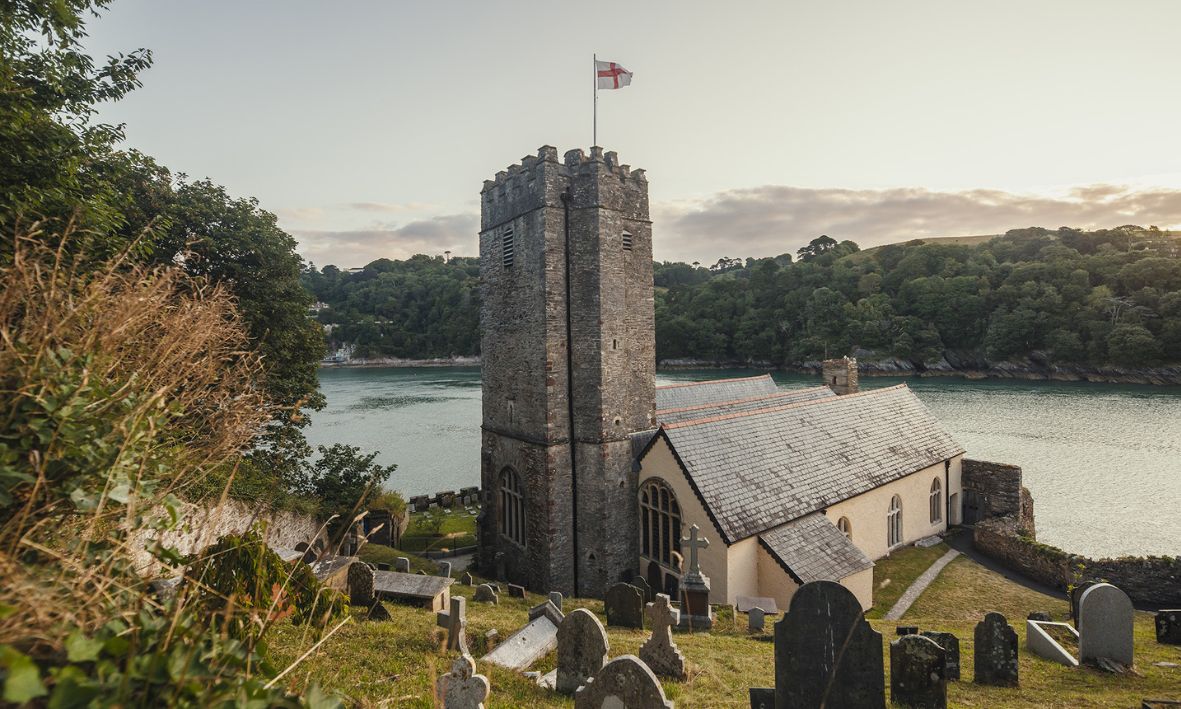
Discover the Historic Churches of Dartmouth and Kingswear
As the summer crowds recede and crisp, golden light settles over the River Dart, autumn reveals a quieter, more atmospheric side of Dartmouth. Beyond the riverside walks and cosy tearooms lie some of the region’s most captivating architectural gems: the ancient churches scattered around the estuary. Warm, dry, and steeped in centuries of coastal history, these tranquil sanctuaries offer a perfect autumn escape when the weather turns cool or damp.
St Petrox: The Coastal Sentinel
Guarding the mouth of the estuary immediately adjacent to Dartmouth Castle, St Petrox occupies one of the most dramatic coastal church settings in England. Records of a chapel on this rocky outcrop date back to at least 1192, serving as a beacon for vessels navigating the treacherous river entry.
-
Architectural Highlights: Rebuilt in 1641 and refined in subsequent centuries, the church features a light, airy interior designed to withstand harsh maritime elements.
-
Key Features: Discover detailed memorial brasses dedicated to prominent local merchant families, including the Roope family, as well as historic slate tablets lining the walls.
-
Autumn Visitor Experience: When autumn gales stir up the English Channel, watching the waves break against the castle rocks from the peaceful shelter of St Petrox's churchyard is an unforgettable experience.

St Saviour’s: The Heart of Historic Dartmouth
Consecrated in 1372 by the Bishop of Exeter, St Saviour’s was built to serve the rapidly expanding merchant town down by the water, saving residents the steep trek up to Townstal. Funded by wealthy local shipowners and mayors, the church stands as a testament to medieval Dartmouth’s maritime prosperity.
-
Architectural Highlights: The interior houses a famous 14th-century carved wooden rood screen, delicately restored and painted in vibrant traditional pigments. Look out for the massive oak south door, complete with its original 1363 ironwork depicting two iron panthers sprawling over a tree of life.
-
Key Features: The magnificent brass monument to John Hawley (a legendary medieval mayor of Dartmouth and widely believed to be the inspiration for Chaucer’s Shipman in The Canterbury Tales) sits prominently in the chancel.
-
Autumn Visitor Experience: The thick stone walls and rich timber ceiling create an intimate, quiet space filled with low golden light filtering through stained glass - an ideal shelter on a brisk day.

The Flavel Church: A Legacy of Dissent and Community
Located in the heart of town on Flavel Street, The Flavel Church represents a crucial chapter in Dartmouth’s religious evolution. Named after John Flavel - the influential 17th-century Nonconformist preacher who ministered in Dartmouth during a time of intense religious persecution - the current building dates to 1867–1868, standing on the site of earlier meeting houses built by his followers.
-
Architectural Highlights: Built in a handsome Victorian Gothic Revival style using local stone with bath stone dressers, the building features distinctive lancet windows and a lofty, open timber-roofed sanctuary.
-
Key Features: A marble memorial dedicated to John Flavel sits within the sanctuary, commemorating his resilience and theological impact. Unlike medieval parish churches, The Flavel's modern interior combines heritage architecture with a warm, contemporary community hub layout.
-
Autumn Visitor Experience: Welcoming and warm, The Flavel is a active centre for local fellowship, making it a comfortable stop during a stroll through town.
St Clement’s, Townstal: The Ancient Mother Church
Perched on the high ridge above the town, St Clement’s is Dartmouth's oldest and original parish church, predating the waterfront settlement below. First recorded in the 12th century, it was granted to the Canons of Torre Abbey in 1198 and remained the principal seat of worship for centuries.
-
Architectural Highlights: Built mainly of local slate stone, St Clement's features a robust 13th-century tower, broad 15th-century aisles, and ancient granite arcades.
-
Key Features: Inside, examine the unusual stone font, dating to the 15th century, and the detailed timber roof trusses. The surrounding expansive churchyard contains headstones dating back hundreds of years, telling the stories of local farming families, privateers, and mariners.
-
Autumn Visitor Experience: Situated away from the quay, the elevated position provides sweeping views across the Dart Valley, framed by vibrant autumn foliage.
St Thomas of Canterbury, Kingswear: Across the River
Crossing the estuary brings you to Kingswear and the Church of St Thomas of Canterbury. Originally established in the 12th century as a chapel of ease for pilgrims travelling onward to Thomas Becket’s shrine at Canterbury, the church was largely rebuilt in the Victorian era while retaining its original 14th-century tower.
-
Architectural Highlights: Constructed from local stone, the building hugs the steep hillside above the ferry slipway, featuring exquisite stained-glass windows depicting maritime and biblical scenes.
-
Key Features: The terraced churchyard provides a commanding perspective across the river, offering clear views directly back towards St Saviour's, St Petrox, and the waterfront.
-
Autumn Visitor Experience: The short ferry crossing over the dark river water combined with the walk up Church Hill makes this visit feel like a true mini-pilgrimage.
Whether you are dodging an autumn shower or simply seeking a quiet moment of reflection surrounded by centuries of Devon history, these five wonderful churches are waiting to be explored.