
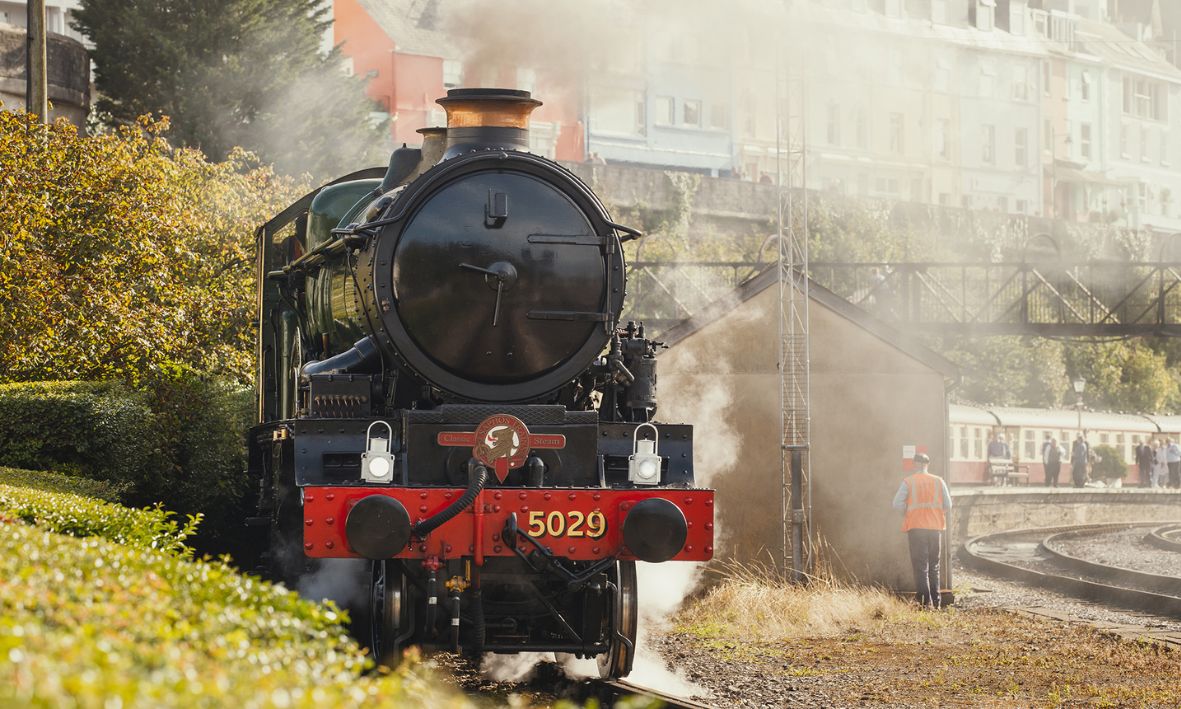
When you think of Dartmouth, you might picture colourful pastel houses reflected in the River Dart, or sleek yachts bobbing in the marina. But beneath our town’s tranquil coastal charm beats a powerful heart of iron, coal, and water. Dartmouth played a vital role in the Industrial Revolution, and today, it remains one of the best places in the UK to experience the golden age of steam.
Whether you are a lifelong rail enthusiast or a family looking for a nostalgic day out, Dartmouth's steam heritage offers a unique window into the past. Here is the story of how steam impacted on our beautiful riverside town - and how you can experience it for yourself today.
1. Thomas Newcomen: The Dartmouth Man Who Changed the World
Every modern engine, train, and steamship owes its existence to a humble ironmonger born right here in Dartmouth in 1664: Thomas Newcomen.
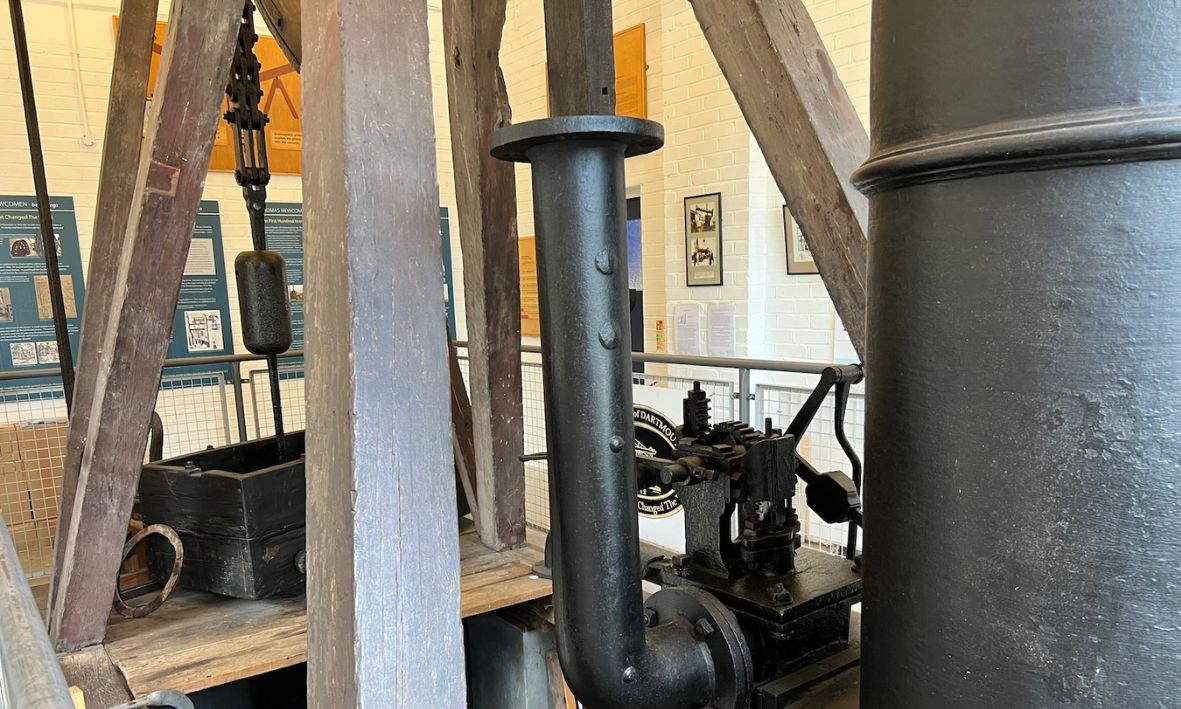
In the early 1700s, coal mines across Britain were flooding, and manual pumps couldn't keep up. Newcomen spent years experimenting in his Dartmouth workshop and eventually invented the atmospheric engine in 1712. It was the world's first practical, fuel-powered machine. By using condensing steam to create a vacuum inside a cylinder, his engine drove a massive wooden beam up and down to pump water out of the mines. It sparked the dawn of the Industrial Revolution.
What to see today:
You don't have to just read about Newcomen - you can stand right in front of his legacy. The Dartmouth Visitor Centre houses an authentic 1712-design Newcomen engine. Originally used to pump water at a brickworks, it was moved back to Newcomen's birthplace in 1963 to commemorate his tercentenary. It is the oldest surviving steam engine in the world, and visitors can watch it working via an electric motor that demonstrates its iconic, seesawing motion.
2. The Dartmouth Steam Railway: A Journey Along the Riviera (and the Station with No Tracks)
While the railway network exploded across Britain in the 19th century, getting a line to Dartmouth was notoriously difficult due to the steep, rocky terrain of the South Devon coast. The original ambition, backed by the legendary engineer Isambard Kingdom Brunel, was to bring the train lines directly into the heart of Dartmouth.
However, a bridge over the deep, wide River Dart was never built.
This historical setback led to one of Dartmouth's most famous and unique quirks: the only station platform in the UK to never receive a train. (Now The Pontoon restaurant on the Embankment.)
Though British Railways closed the scenic route in the 1970s, it was saved by dedicated preservationists. Today, the Dartmouth Steam Railway runs heritage steam locomotives along seven miles of breathtaking coastline and through the wooded slopes of the Dart Valley.
What to do today:
You can catch the passenger ferry from Dartmouth over to Kingswear Station to begin your journey. The line takes you past the stunning beaches of Goodrington Sands, through the eerie Broadsands viaduct, and along the edge of the River Dart.
For the ultimate day out, book the famous Round Robin ticket. It bundles a nostalgic steam train ride, a cosy countryside bus trip to Totnes, and a scenic river boat cruise back down the Dart to where you started.
3. The Kingswear Castle: The UK’s Last Coal-Fired Paddle Steamer (Built Right on the Dart)
Steam didn't just conquer the tracks here; it ruled the water. For generations, river paddle steamers were the lifeblood of the River Dart, ferrying goods, locals, and Victorian tourists between Dartmouth and Totnes.
What makes the PS Kingswear Castle so incredibly special to our town is that she is a true "Dartmouth native." She was built right here in 1924 by the famous local shipbuilders Philip & Son of Dartmouth for the River Dart Steamboat Company.
While modern diesel engines eventually took over the river, the Kingswear Castle survived. After a long period of preservation and service on the River Medway in Kent, she triumphantly returned home to her birth waters on the River Dart in 2012.
What to do today:
The Kingswear Castle is the UK’s last remaining coal-fired, river-going paddle steamer, listed as a vessel of "Pre-eminent National Significance" on the National Historic Fleet.
You can book regular river cruises out of Dartmouth, where you will hear the rhythmic, hypnotic churn-churn of the paddle wheels and can peer directly down into the open engine room to watch the polished, 1904 steel pistons driving the ship forward. As you pass the old shipyards on your cruise, you are riding on a piece of history that was built on those very shores.
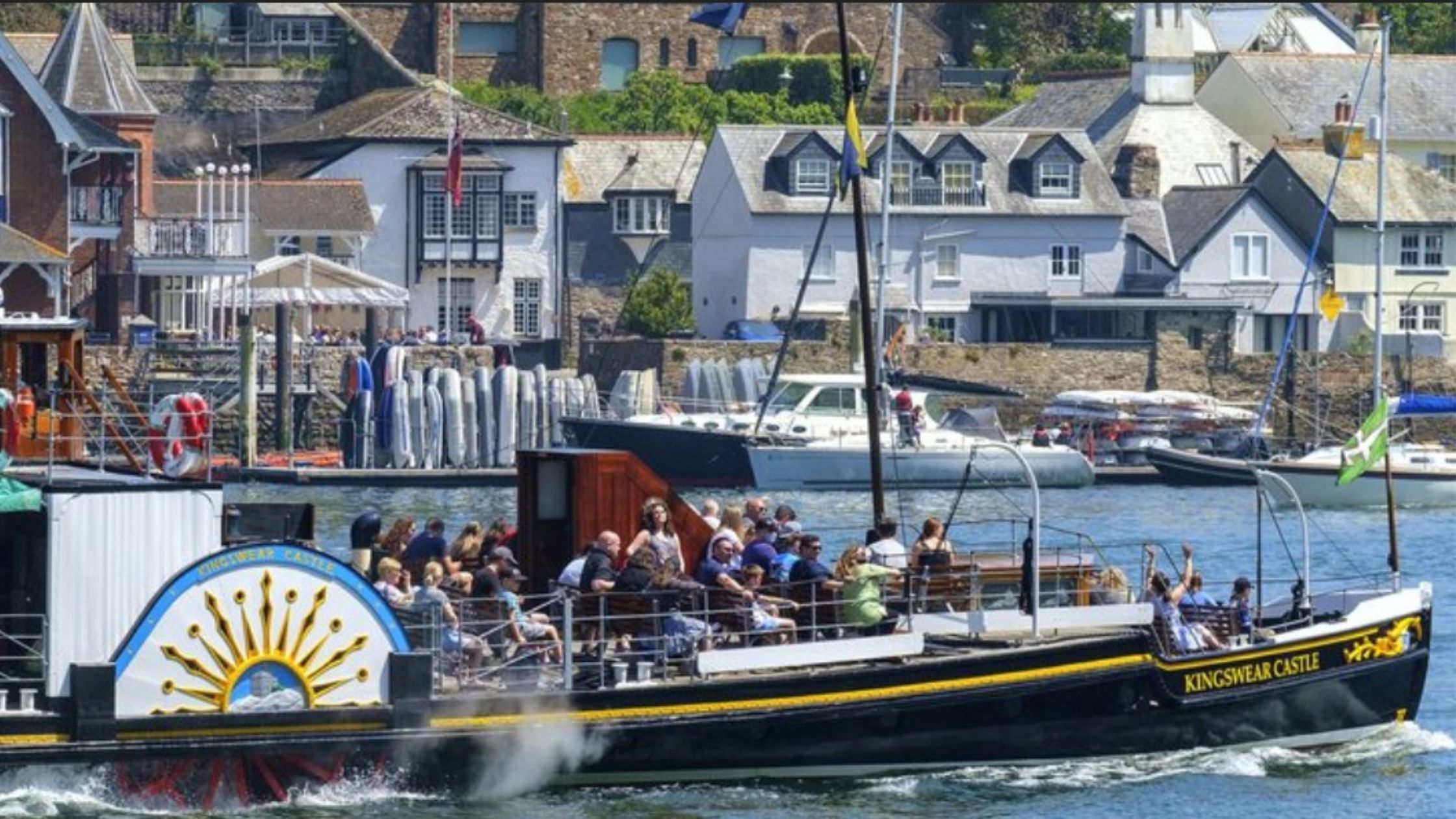
Image with thanks to DSRRB
4. Spectacular Summer Visitors: The PS Waverley
If one paddle steamer isn't enough, Dartmouth regularly plays host to a true giant of the sea. The PS Waverley is the absolute last seagoing passenger paddle steamer in the entire world.
Built in 1946 to replace a vessel sunk at Dunkirk, the Waverley is a towering, magnificent sight with her tall funnels and grand promenade decks. Every year, during her highly anticipated tour of the South West, she makes a grand entrance into the mouth of the River Dart, her whistles echoing off the valley walls.
What to do today:
Keep an eye on the seasonal schedules! When the Waverley visits Dartmouth, locals and visitors line the historic Embankment just to watch her dock. Better yet, you can book a ticket to step aboard for an afternoon excursion, cruising out past Dartmouth Castle and onto the open sea, experiencing coastal travel exactly as the Edwardians did.
Tie it All Together at the Dartmouth Museum
If you want to dive deeper into these incredible stories, a visit to Dartmouth Museum is an absolute must. The museum features permanent, dedicated exhibitions that perfectly connect all of Dartmouth's steam elements:
-
The Engines That Changed the World: The museum features the world-renowned David Hulse Collection.
This incredible permanent display includes eight working miniature models meticulously hand-crafted over 50 years, tracking the evolution of steam technology from Thomas Newcomen's 1712 atmospheric engine right through to the very first locomotives. -
The River and the Rails: In the maritime galleries, you can discover the profound impact of steam on local life. You will find exhibits tracking the dramatic arrival of the railway in 1864, the fascinating history of the early paddle steamers, and the era of "coal lumpers" - the local workers who undertook the grueling job of fueling the massive sea-going steamships that docked in the harbour.
-
The Story of Philip & Son: Located in the Holdsworth Room, the museum showcases a brilliant archive of the local shipbuilding industry, including the legacy of Philip & Son (the very shipyard that built the PS Kingswear Castle). You can explore photographs, blueprints, and historical artefacts detailing the local engineers who manufactured advanced steam machinery on the banks of the Dart.
It is the perfect starting point for your steam adventure, giving you a newfound appreciation for the sights and sounds you can experience on the river and the tracks today.
Plan Your Steam-Powered Getaway to Dartmouth
From the invention that started it all to the vintage trains and boats keeping the magic alive, Dartmouth is a living, breathing celebration of engineering history.
Ready to step back in time? Start planning your visit today. Explore our local accommodation listing, find a cosy riverside pub to relax in after your journey, and secure your tickets for a genuinely unforgettable steam adventure on the beautiful South Devon coast.